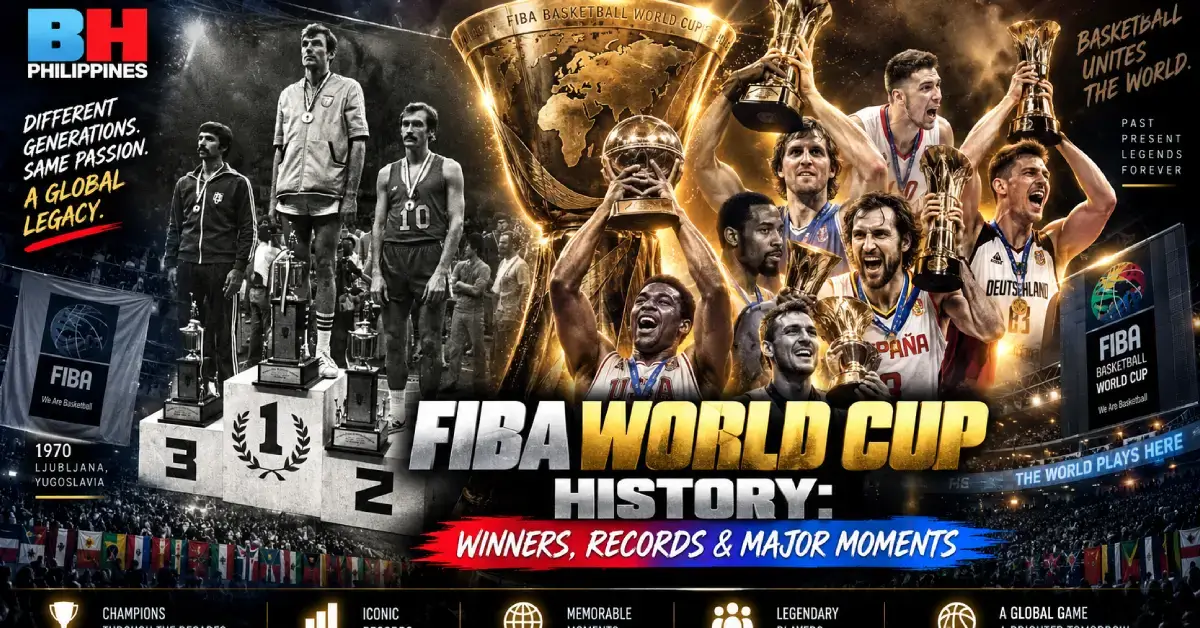
What is the history of the FIBA World Cup? The FIBA Basketball World Cup began
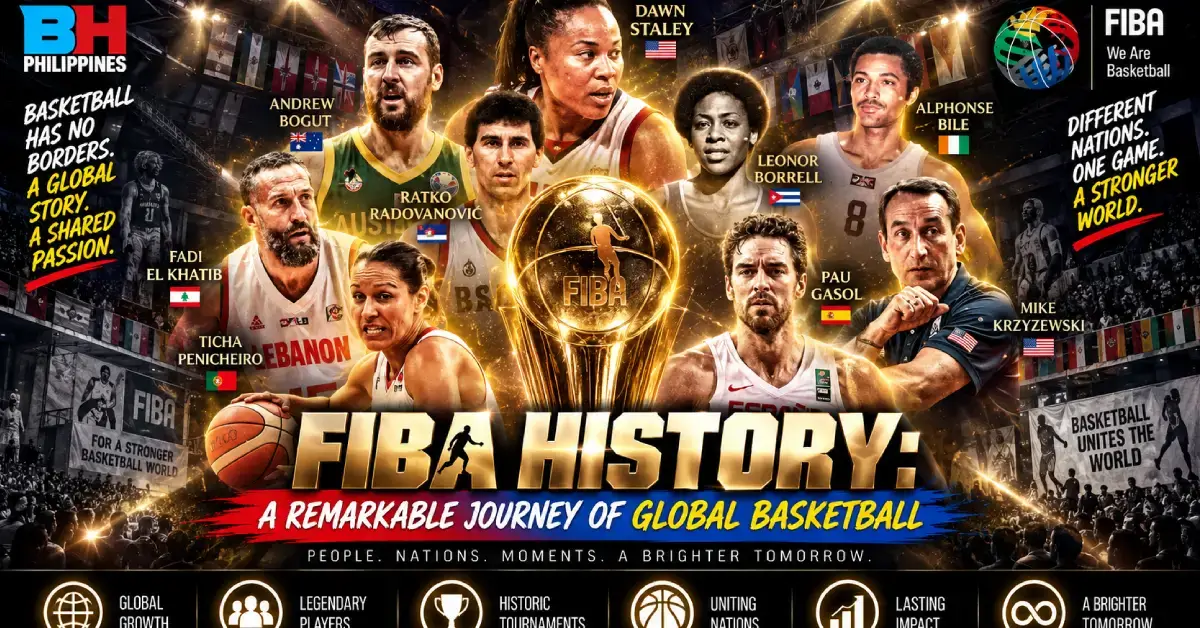
What is the history of FIBA? FIBA, the International Basketball Federation, was founded on June
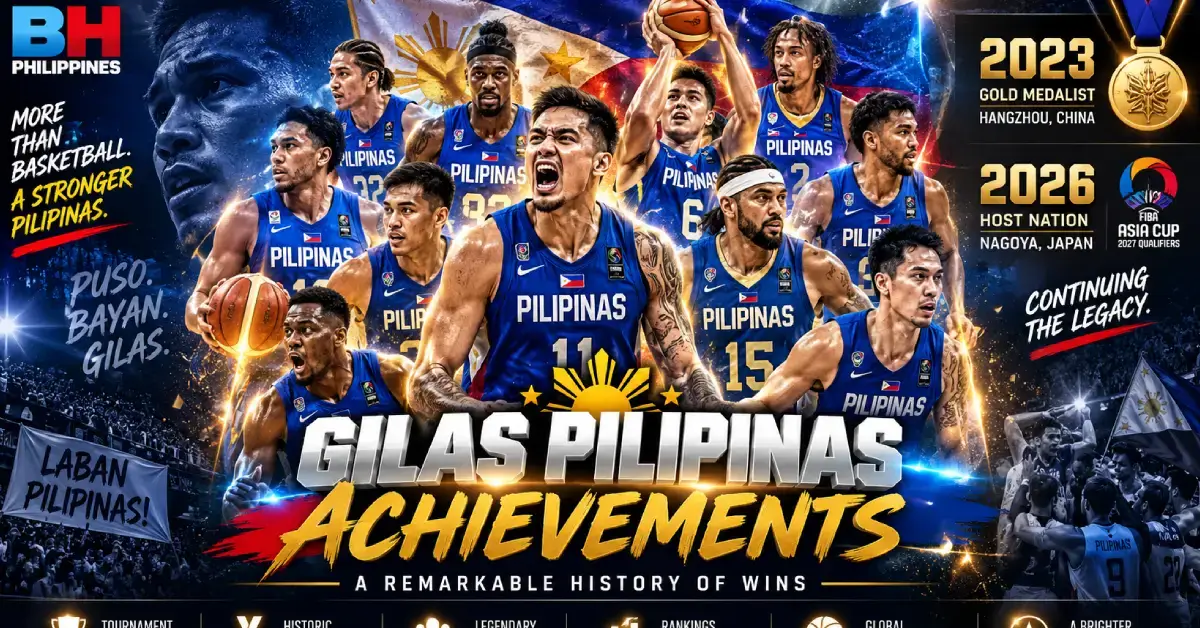
What are the biggest Gilas Pilipinas achievements? The modern national team has produced several landmark
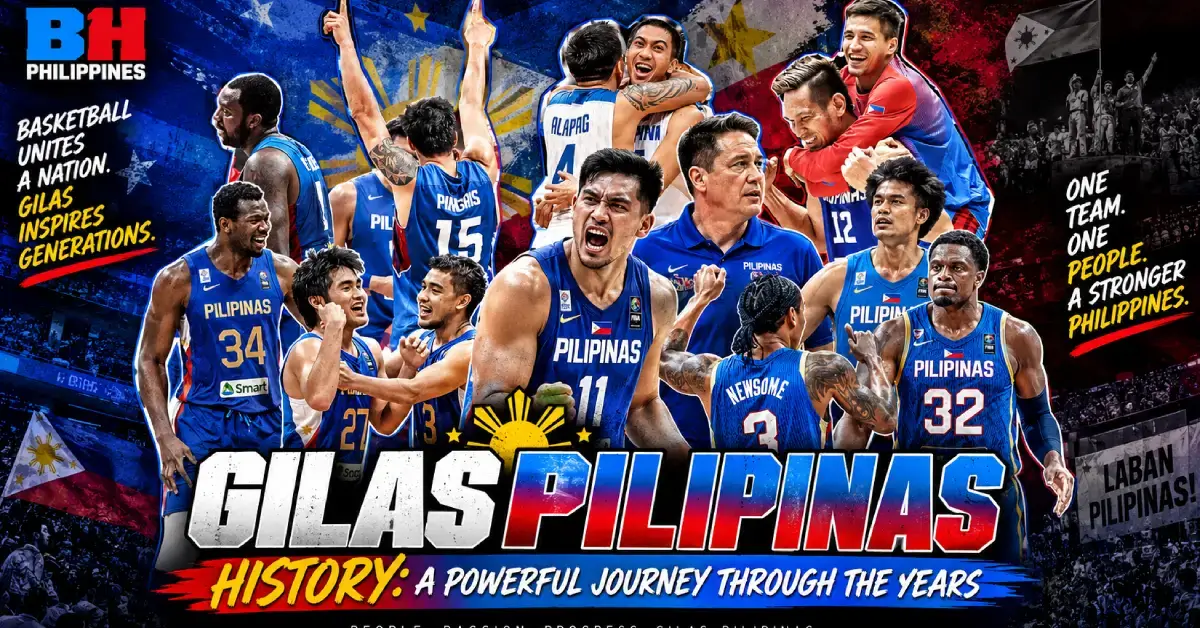
What is the history of Gilas Pilipinas? Gilas Pilipinas is the name associated with the

What are the biggest PBA records? The Philippine Basketball Association has produced remarkable scoring performances,

Who are the latest PBA champions? The Barangay Ginebra San Miguel Gin Kings are the
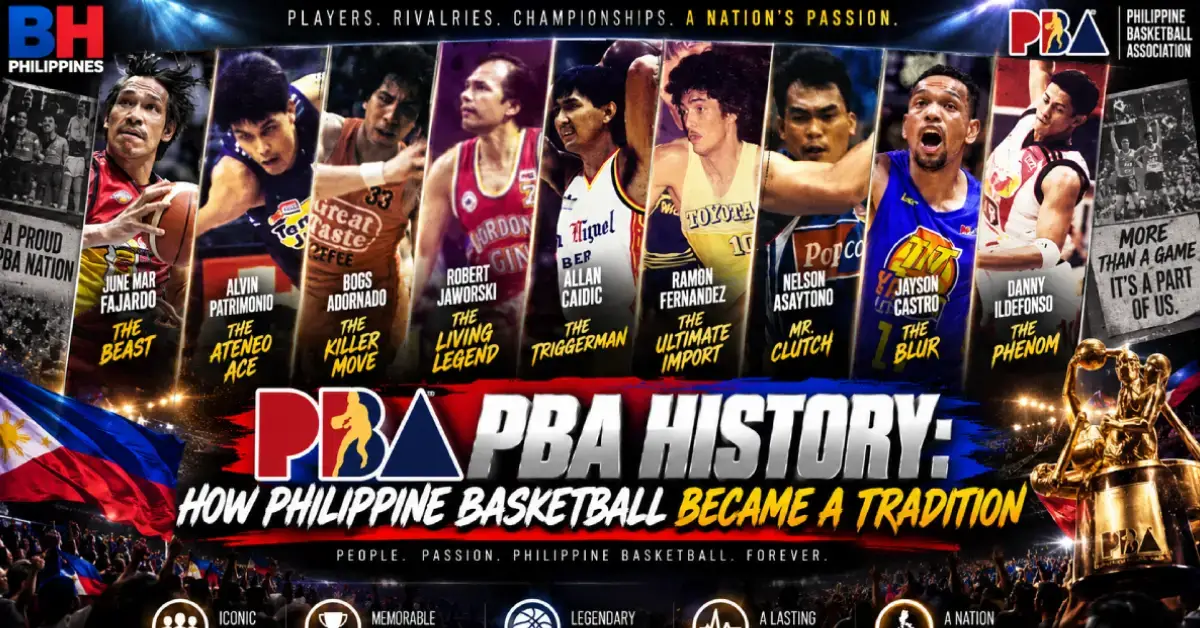
How did the PBA begin? The PBA history began in 1975 when the Philippine Basketball
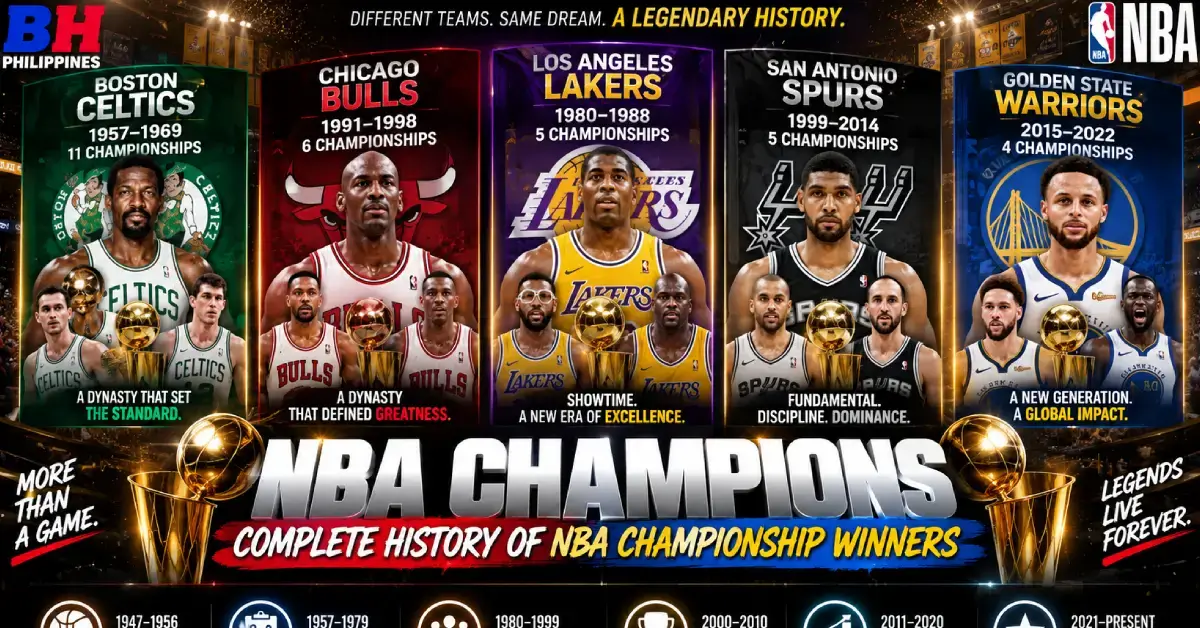
Which teams are the latest NBA champions? The New York Knicks are the latest NBA
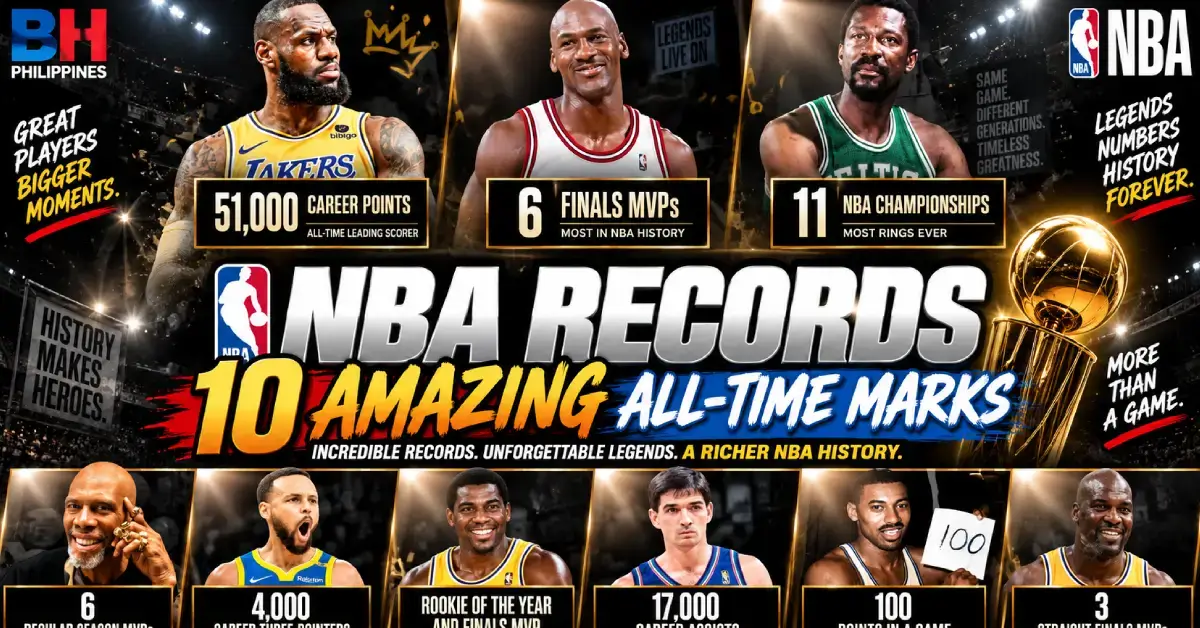
NBA records are some of the best ways to understand how basketball has evolved. From
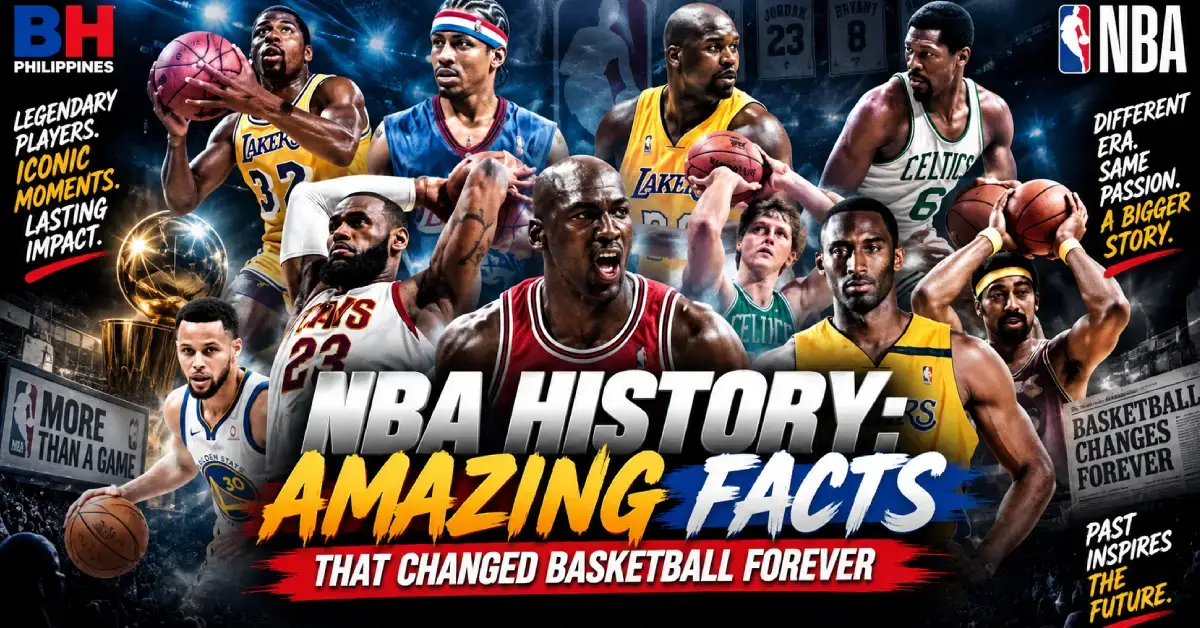
The NBA history we know today began with a small professional basketball league in 1946

Basketball player history tells the story of the athletes who changed games, teams, leagues, and generations. It is more than a list of points, rebounds, assists, championships, and awards. A player’s history includes where they started, how their skills developed, the teams they represented, the roles they played, and the impact they left behind.
For basketball fans in the Philippines, this history connects several worlds. It includes NBA superstars, PBA icons, Gilas Pilipinas players, international stars, and local basketball heroes. Looking at these careers together helps fans understand how basketball evolved and why certain players remain important long after their playing days.
Basketball player history is the record of a player’s career, achievements, playing style, important games, teams, statistics, and overall influence on the sport.
A complete player history can include:
This approach makes player history useful for both casual fans and serious basketball followers.
Instead of asking only, “How many points did this player score?” fans can ask a bigger question: What did this player contribute to basketball during their career?
That difference is important because statistics tell only part of the story.
NBA player history provides one of the clearest examples of how individual careers can influence an entire sport.
The NBA’s official history archive includes season recaps, championship records, awards, legendary players, and major moments stretching back to the league’s early years.
Players from different generations introduced different styles of basketball. Centers dominated the paint in some eras, while later generations placed greater emphasis on perimeter shooting, spacing, ball handling, and positionless basketball.
NBA player history can therefore be studied through different eras.
Early stars helped establish professional basketball. Later players influenced fast-paced offense and athletic play. The rivalry between Larry Bird and Magic Johnson became one of the defining stories of the 1980s, while Michael Jordan became a global basketball icon during the 1990s. NBA.com also documents legendary careers from players such as Kareem Abdul-Jabbar, Wilt Chamberlain, Magic Johnson, Julius Erving, and many others.
The value of NBA player history is not simply identifying the greatest scorer. It is understanding how each generation influenced the next.
PBA player history is especially important for Filipino basketball fans because the Philippine Basketball Association has been part of the country’s basketball culture for decades.
PBA careers can be examined through championships, scoring titles, MVP awards, defensive contributions, playoff performances, team leadership, and longevity.
A PBA player’s importance may also come from how they performed in specific roles.
A dominant center can control the paint and protect the rim. A scoring guard can change a game with perimeter shooting and isolation offense. A point guard can become valuable through playmaking, tempo control, and decision-making. A defensive specialist may not lead the scoring charts but can become crucial during close games.
This is why PBA player history should not be reduced to statistics alone.
For Philippine basketball fans, the stories behind these careers are part of the sport’s cultural memory.
Gilas player history connects individual careers with the Philippine national team’s international journey.
Representing Gilas Pilipinas is different from playing for a professional club. Players must adjust to international competition, different defensive schemes, physical matchups, tournament pressure, and opponents from different basketball systems.
A Gilas player’s history can therefore include FIBA competitions, Asian tournaments, World Cup appearances, Olympic qualifying events, and other international games.
Philippine basketball has a particularly deep connection with the sport. FIBA notes that basketball arrived in the Philippines around the beginning of the 20th century and became deeply established in Filipino culture over the following decades.
That background makes Gilas player history more than a collection of box scores. It represents the continuing development of Philippine basketball on the international stage.
Basketball legends are remembered because their careers combine exceptional ability with meaningful achievements and lasting influence.
A basketball legend might be known for:
NBA history provides many examples.
Kareem Abdul-Jabbar combined scoring, defense, championships, and individual awards throughout a remarkable career. NBA.com records six championships and six MVP awards among his major achievements.
Magic Johnson became famous for his passing, court vision, leadership, and ability to influence games from the point guard position. His five NBA championships and three MVP awards are part of a broader legacy that helped redefine the position.
Wilt Chamberlain represents another type of basketball legend. His career is filled with extraordinary scoring and rebounding records, including his famous 100-point game and remarkable 50.4 points-per-game average during the 1961-62 season.
These examples show why basketball legends should be evaluated through both numbers and context.
A strong basketball player history should look at the complete career rather than one impressive season.
Start with the player’s role. Was the athlete a point guard, shooting guard, wing, power forward, or center?
Then examine production.
Scoring average matters, but so do assists, rebounds, steals, blocks, shooting efficiency, turnovers, and defensive impact.
Next, consider team success.
A player who consistently contributes to championship teams may have a different legacy from an elite individual scorer whose teams rarely compete for titles.
Era also matters.
Basketball changes over time. Offensive systems, defensive rules, pace, three-point shooting, training methods, and player development all evolve. Comparing players from different decades without considering these factors can create misleading conclusions.
Achievements provide important milestones in a player’s career.
Championships, MVP awards, All-Star selections, scoring titles, defensive awards, and national-team accomplishments help establish what a player achieved at the highest level.
However, achievements should provide context rather than become the entire argument.
A player can be highly influential without winning a championship. Another player may win multiple championships while playing a specialized role.
That is why basketball player history should combine individual statistics, team success, competition level, role, longevity, and influence.
Playing style is one of the most memorable parts of a player’s history.
Some players become known for three-point shooting. Others are remembered for post moves, ball handling, transition offense, shot blocking, rebounding, perimeter defense, or playmaking.
A distinctive skill can become part of a player’s identity.
Julius Erving, for example, helped popularize an explosive and creative style that influenced future generations. NBA.com describes his combination of athleticism and creativity as a major influence on how the game was played.
For Filipino fans, studying playing style can also make older basketball history easier to understand. Instead of remembering a player only through statistics, fans can recognize what made that player different on the court.
Filipino basketball history is important because basketball has become deeply connected with everyday sports culture in the Philippines.
From barangay courts and school competitions to professional leagues and the national team, basketball provides a common language for many Filipino fans.
Studying player history also shows how the game has developed.
Older generations may remember physical post play and traditional guards. Later generations have watched the growth of perimeter shooting, athletic wings, modern pick-and-roll offense, and more position flexibility.
The history of Filipino players is therefore also a history of changing basketball styles.
It gives younger fans a way to understand the players who influenced the sport before today’s stars became household names.
Basketball player history helps fans understand how the sport developed from one generation to another. It connects NBA player history, PBA player history, Gilas player history, Filipino basketball history, and the stories of basketball legends.
The best player histories go beyond statistics. They explain careers, roles, achievements, playing styles, important moments, and lasting influence.
For basketball fans in the Philippines, exploring these stories is a way to appreciate both the stars of today and the players who helped build the game we enjoy now.
Which player has the most interesting basketball player history in your opinion?
Explore more BasketballHubPH content about basketball players, basketball player analysis, basketball rankings, and basketball highlights to discover more player stories, performances, and basketball history.
For broader historical research, you can also explore the NBA’s official history archive and FIBA’s official basketball resources for international basketball information.
Want to show your love for the game? Visit the BasketballHubPH store for general basketball merchandise, including basketball T-Shirts, Basketball Wall Art, jerseys, and other basketball-themed products.
Follow BasketballHubPH on social media for more basketball player history, NBA and PBA updates, Gilas Pilipinas content, player analysis, and basketball discussions.
Basketball player history is the record of a player’s career, teams, statistics, achievements, playing style, major performances, and influence on basketball.
NBA player history shows how different generations of players influenced professional basketball through championships, records, skills, rivalries, and changes in playing style.
PBA player history includes professional careers, team appearances, championships, awards, statistics, playoff performances, and contributions to Philippine basketball.
Gilas player history covers the careers and international contributions of players who represented the Philippines in major FIBA and other international competitions.
Basketball legends are players whose skills, achievements, leadership, records, longevity, or cultural influence left a lasting mark on the sport.