
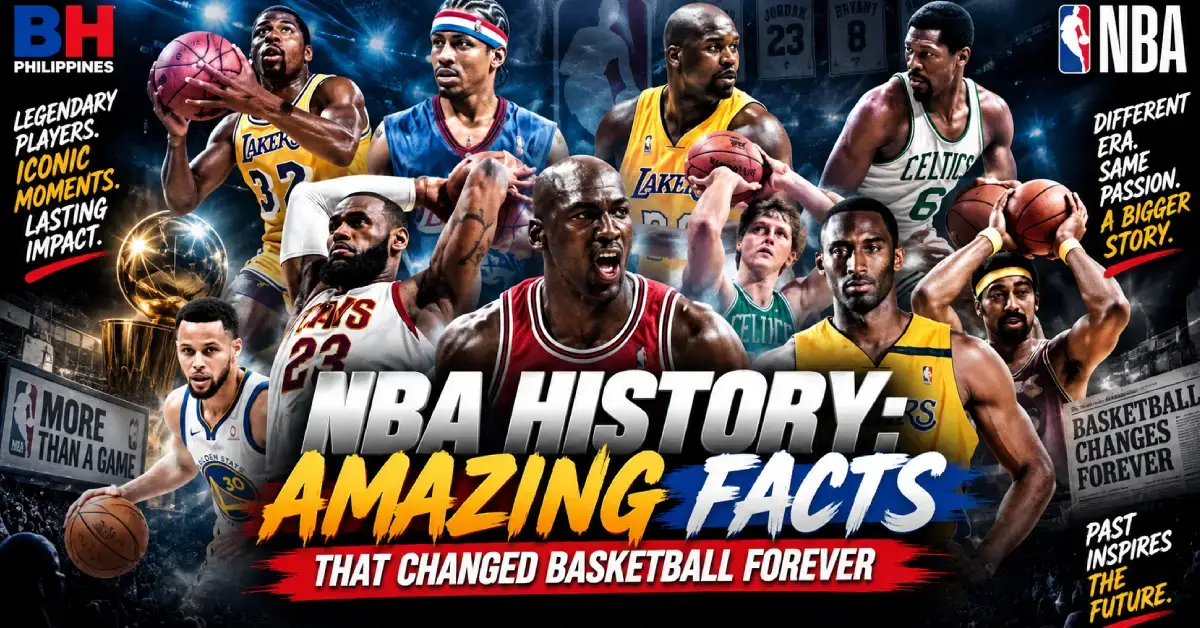
The NBA history we know today began with a small professional basketball league in 1946 and developed into one of the world’s biggest sports organizations. From the original Basketball Association of America to today’s global NBA, the league has been shaped by legendary players, franchise expansion, television, international talent and generations of passionate fans.
Table of Contents
For basketball fans in the Philippines, understanding NBA history also explains why the league became such a powerful part of basketball culture. The stories of the Boston Celtics, Los Angeles Lakers, Chicago Bulls, Golden State Warriors and other franchises are connected to a much bigger story about how basketball grew from an American professional sport into a worldwide game.
What Is NBA History?
NBA history is the story of how professional basketball developed from the league founded in 1946 into the modern National Basketball Association.
The organization that eventually became the NBA was originally called the Basketball Association of America, or BAA. It was established in New York in 1946 with 11 teams. Maurice Podoloff became its first president. In 1949, the BAA merged with the National Basketball League, creating the NBA brand that basketball fans recognize today.
That beginning is one of the most important NBA history facts because the modern league did not appear fully formed. It developed through competition, franchise changes, expansion, rule changes, superstar players and business decisions.
How Did the NBA Start?
The NBA started in 1946 as the Basketball Association of America.
The original league had 11 teams, including the Boston Celtics, New York Knicks and Philadelphia Warriors. The Toronto Huskies were also part of the inaugural group, giving the league an early connection to Canada.
The BAA had an interesting business strategy. Rather than primarily playing in small basketball venues, teams often used major arenas that were also home to ice hockey teams. This helped professional basketball reach larger urban audiences.
The first season was far different from the modern NBA. Teams moved frequently, franchises disappeared and the league was still searching for a sustainable business model.
The BAA absorbed much of the National Basketball League after the 1948–49 season. The NBA name was then established for the 1949–50 season.
This transition is essential when studying the history of NBA basketball because it shows that the league’s success was built through consolidation as well as expansion.
What Were the NBA’s Early Years Like?
The early NBA was unstable compared with today’s highly organized professional sports business.
Teams folded, relocated or changed identities. Some franchises that became major NBA organizations later moved across the country. The Philadelphia Warriors, for example, eventually relocated to the Bay Area and became the Golden State Warriors. The Minneapolis Lakers eventually moved to Los Angeles.
The league also experimented with its structure as it searched for a sustainable competitive format.
One of the most important developments was the introduction of the 24-second shot clock in 1954. The rule helped prevent teams from simply holding the basketball for long stretches and dramatically increased the pace of play.
That change helped shape the fast-paced basketball that fans recognize today.
How Did the NBA Become a Major Professional League?
The NBA gradually became stronger through better competition, recognizable franchises and superstar players.
The Boston Celtics became one of the defining teams of the 1950s and 1960s. Under coach Red Auerbach and behind Bill Russell, Boston developed an extraordinary winning culture.
Russell became one of the most influential champions in NBA history. His success demonstrated how defense, rebounding, passing and team basketball could be just as important as individual scoring.
The league also expanded. New franchises entered during the 1960s and 1970s, bringing NBA basketball to more cities.
Another major development occurred in 1976 when the NBA merged with the American Basketball Association. Four ABA teams joined the NBA: the Denver Nuggets, Indiana Pacers, New York Nets and San Antonio Spurs.
The merger added talented players and helped strengthen the professional basketball landscape.
How Did Television Change NBA History?
Television transformed the NBA from a primarily American arena sport into a product that could reach audiences far beyond the cities where teams played.
The growth of national broadcasts allowed fans to follow players and franchises they might never see in person.
This mattered enormously because basketball is especially suited to television. The court is compact, scoring happens frequently and individual players can become recognizable stars.
As broadcasting improved, NBA players became more than athletes. They became international sports personalities.
The league’s growing media presence eventually helped create a cycle: more viewers produced greater interest, greater interest increased the value of broadcasts, and stronger media exposure introduced NBA basketball to new audiences.
That process played an important role in the league’s international growth.
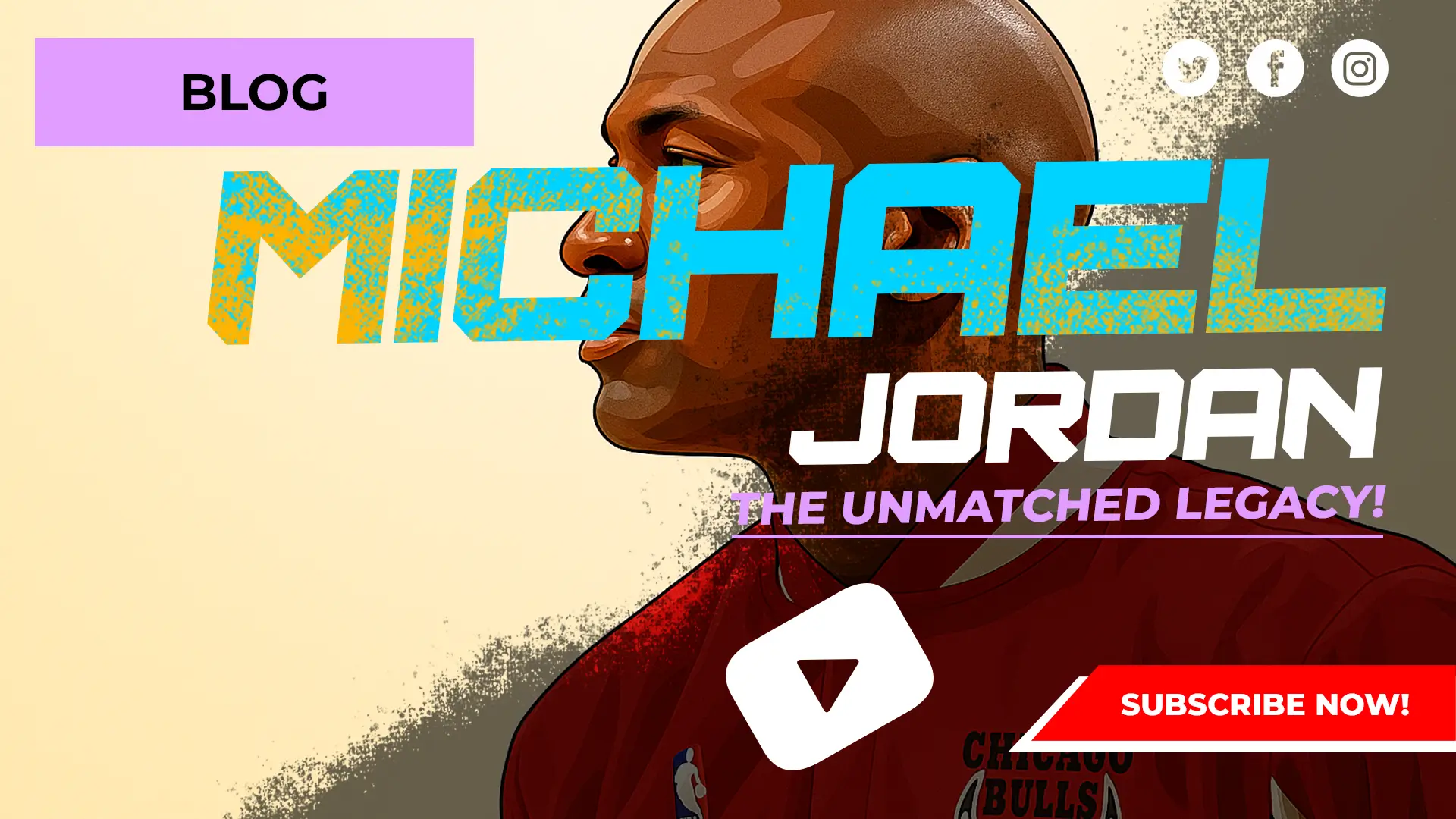
How Did Michael Jordan Transform the NBA?
Few individuals had a larger impact on NBA history than Michael Jordan.
Jordan joined the Chicago Bulls in 1984 and became the central figure of one of basketball’s most recognizable eras.
His athletic ability, scoring, competitiveness and performances in the NBA Finals made him an international superstar. The Bulls’ championships during the 1990s helped introduce millions of new fans to NBA basketball.
Jordan’s influence extended beyond the court. His global popularity helped turn the NBA into a lifestyle brand, while basketball shoes, apparel, advertising and international broadcasting expanded the sport’s cultural reach.
For fans in the Philippines, this era was especially significant because NBA stars became increasingly visible through television and sports media.
The Jordan era also helped establish the idea that a basketball superstar could become globally recognizable even among people who did not regularly watch every NBA game.
How Did International Players Change the League?
The history of NBA basketball is no longer exclusively American.
International players have become central to the league’s identity. Players from Europe, Africa, Asia, Australia and other regions have demonstrated that elite basketball talent can develop almost anywhere.
The growth of international scouting accelerated this transformation. Players who developed outside the traditional American college basketball pathway increasingly entered the NBA.
Hakeem Olajuwon of Nigeria, Dirk Nowitzki of Germany, Manu Ginóbili of Argentina and many other international stars helped change perceptions about where NBA-level talent could come from.
Today, the league’s international identity is one of its greatest strengths.
That global development also matters to Filipino basketball fans. The Philippines has a deep basketball culture, and NBA games, players and storylines have become part of everyday sports conversation.
Why Is the NBA So Popular in the Philippines?
Basketball has a unique place in Philippine sports culture.
The sport is played across the country, from professional arenas to school courts and neighborhood games. That familiarity makes the NBA easy for Filipino fans to connect with.
NBA stars also influence local basketball conversations. Fans discuss playoff matchups, trades, draft prospects, scoring performances and championship races.
The league’s accessibility through television, digital platforms and social media has made it easier than ever for Filipino fans to follow the season.
The connection works both ways. Filipino fans are not simply watching an American sports league. They have developed their own basketball traditions, communities and ways of discussing the NBA.
That is an important part of the modern NBA story: global fans have helped turn the league into an international basketball community.
What Are the Most Important NBA History Facts?
Several NBA history facts stand out when looking at the league’s development.
First, the league was founded in 1946 as the Basketball Association of America with 11 teams.
Second, the modern NBA was formed after the BAA merged with the National Basketball League in 1949.
Third, the league’s early years were marked by franchise movement and financial uncertainty.
Fourth, the shot clock helped make NBA basketball faster and more entertaining.
Fifth, the 1976 ABA-NBA merger added four franchises that remain part of today’s NBA.
Sixth, television and superstar players helped the league reach international audiences.
Finally, international players and global basketball communities have become essential to the modern NBA.
These facts show why the NBA league history is not simply a list of championship winners. It is a story of how a professional sports league adapted to changes in technology, entertainment, business and basketball itself.
What Does the Future Hold for the NBA?
The NBA continues to evolve.
Expansion, international basketball, digital media, player development and new forms of fan engagement could shape the next chapter.
The league’s history suggests that change is not unusual. In fact, adaptation has been one of the NBA’s defining characteristics.
The teams and players that dominate one era eventually give way to new stars. Playing styles change. Rules evolve. New markets become important.
That makes NBA history more than a subject for basketball trivia. It provides context for understanding why the league looks the way it does today.
For Filipino fans, following the next generation of players also means becoming part of that continuing history.
Conclusion: Why Does NBA History Matter?
NBA history explains how a small professional basketball league became a global sports phenomenon.
The journey began with the BAA in 1946, continued through the formation of the modern NBA in 1949, expanded through franchise growth and the ABA merger, and accelerated through television, legendary players and international basketball.
The biggest lesson from NBA history is that the league has never stopped changing.
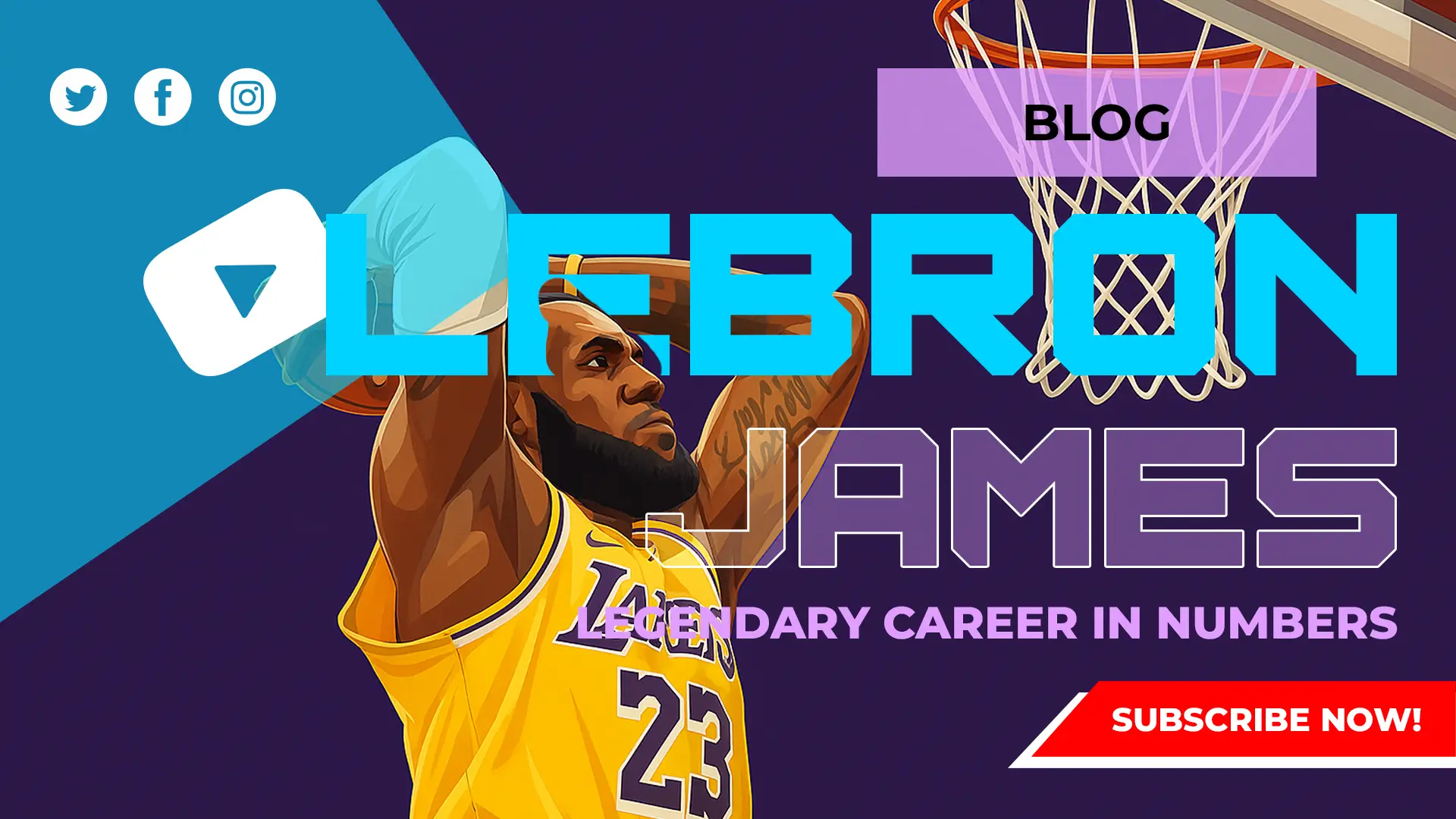
From Bill Russell and the Celtics to Michael Jordan and the Bulls, from Magic Johnson and Larry Bird to Kobe Bryant, LeBron James and Stephen Curry, every generation has added another chapter.
For basketball fans in the Philippines, knowing the history of NBA basketball makes today’s games even more meaningful. Every playoff series, dynasty, rivalry and rising star is part of a much longer story.
Join the Discussion
Which moment in NBA history is your favorite?
Share your favorite NBA legend, championship team, unforgettable playoff series, or basketball era with fellow fans. If you enjoy celebrating the game beyond the court, check out our basketball merchandise, including T-shirts and basketball wall art.
Follow us on social media for more basketball stories, NBA conversations, merchandise updates, and new content made for Filipino basketball fans.
Frequently Asked Questions
When did the NBA begin?
The league that became the NBA was founded in 1946 as the Basketball Association of America. The NBA name was established after the BAA merged with the National Basketball League in 1949.
What was the NBA originally called?
It was originally called the Basketball Association of America, or BAA. The organization later became the National Basketball Association.
What are some important NBA history facts?
Important facts include the league’s 1946 founding, the 1949 BAA-NBL merger, the introduction of the 24-second shot clock, major franchise expansion and the 1976 ABA-NBA merger.
Why is NBA history important to basketball fans?
NBA history explains how today’s teams, rivalries, rules, playing styles and basketball culture developed. It also provides context for understanding the achievements of legendary players.
Why is the NBA popular in the Philippines?
Basketball has a deep grassroots and professional following in the Philippines. NBA broadcasts, digital media and international stars have helped strengthen the connection between Filipino basketball fans and the league.